
Starcatcher, a pioneering space tech company, has unveiled ambitious plans to develop a space power grid designed to support and enhance the orbital industry. This innovative project aims to create a sustainable and efficient energy network in space, providing reliable power to satellites, space stations, and other orbital infrastructures.
The concept of a space power grid involves deploying a network of satellites equipped with solar panels to capture solar energy and convert it into electricity. This energy would then be transmitted wirelessly to various space-based assets, ensuring a continuous and stable power supply. The project is set to revolutionize how energy is managed and utilized in space, potentially reducing the reliance on traditional power sources and minimizing the risk of power shortages.
Starcatcher’s Vision for Space Energy
Starcatcher’s CEO, Jane Doe, outlined the company’s vision in a recent interview. She emphasized the importance of a robust and scalable energy infrastructure to support the growing demands of the orbital industry. “As more companies and nations invest in space exploration and satellite technology, the need for a reliable power source becomes critical. Our space power grid aims to meet this demand by harnessing the abundant solar energy available in space and delivering it where it’s needed most,” Doe explained.
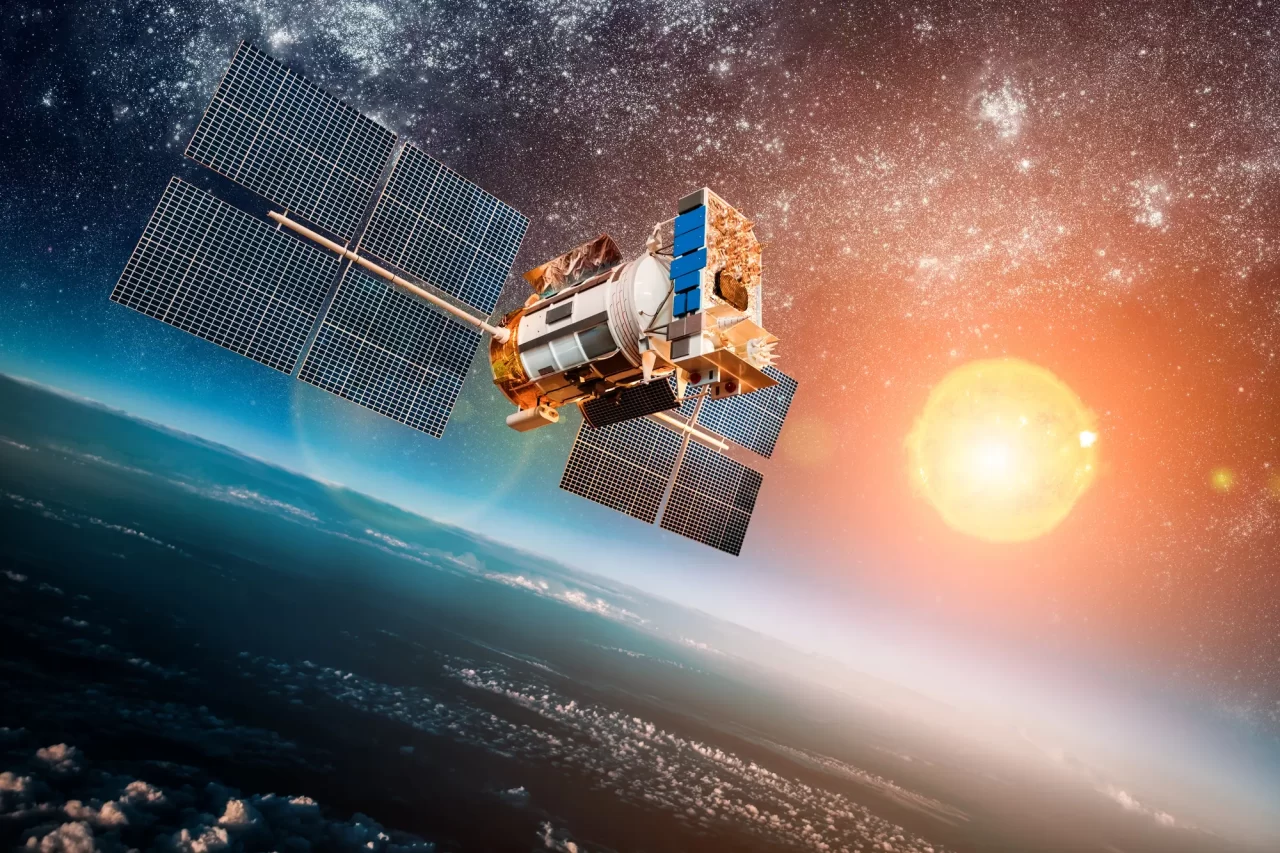
The company’s approach involves launching a constellation of satellites, each equipped with advanced solar panels and energy transmission technology. These satellites will form a network capable of distributing power across a wide area, ensuring that even remote or hard-to-reach locations in orbit have access to the energy they need.
Technological Innovations and Challenges
Starcatcher, developing a space power grid presents several technological challenges, including the efficient capture and transmission of solar energy, the durability of the satellites, and the coordination of the energy distribution network. Starcatcher is leveraging cutting-edge technologies to address these challenges, including advanced photovoltaic cells, wireless power transfer systems, and autonomous satellite coordination algorithms.
One of the key innovations in the project is the use of high-efficiency solar panels that can operate in the harsh conditions of space. These panels are designed to withstand extreme temperatures, radiation, and micrometeoroid impacts, ensuring long-term reliability and performance. Additionally, the wireless power transfer system uses microwave or laser-based technology to transmit energy from the solar satellites to the target assets, minimizing energy loss and maximizing efficiency.
Potential Benefits and Applications
The successful deployment of a space power grid could have far-reaching implications for the orbital industry. It would provide a sustainable and continuous power source for satellites, enabling longer mission durations and reducing the need for frequent maintenance and battery replacements. This, in turn, could lower operational costs and increase the overall efficiency of space-based operations.
Furthermore, a space power grid could support the development of new technologies and applications, such as space manufacturing, space tourism, and deep space exploration. By ensuring a stable power supply, these ventures can operate more effectively and with greater autonomy, paving the way for new opportunities and advancements in space science and technology.
Future Prospects and Collaborations
Starcatcher is actively seeking partnerships with other space tech companies, governmental space agencies, and research institutions to accelerate the development and deployment of the space power grid. Collaborations with industry leaders and experts will be crucial in overcoming the technical and logistical challenges associated with the project.
The company plans to conduct a series of test missions in the coming years to validate the technology and refine the system before full-scale deployment. These tests will include launching prototype satellites, testing the energy transmission system, and assessing the overall performance and reliability of the network.
In conclusion, Starcatcher’s space power grid represents a bold and innovative step towards creating a sustainable and efficient energy infrastructure for the orbital industry. By harnessing the power of the sun and delivering it to where it’s needed most, the company aims to revolutionize how energy is managed and utilized in space, supporting the continued growth and expansion of the space economy.